Meet Alice: The Romanian Designer Bringing Wearable Mythology to Ce Fain!
Some pieces you wear. Others you carry - like a secret, a story, a piece of somewhere you've never been but somehow recognize.
There's a new name in the Ce Fain! family. She's been quietly building something extraordinary since 2011, earning exhibition space at the National Bank of Romania, features in Haute Culture magazine, and a loyal following of collectors who understand the difference between fashion and meaning. Her name is Alexandra Stanciu, and her brand — Alice — is unlike anything else we've brought to this platform.
This isn't about a trend. It's about a tradition. And once you understand what Alice actually makes, and why, you'll feel the difference before you even hold the piece in your hands.
The Woman Behind Alice
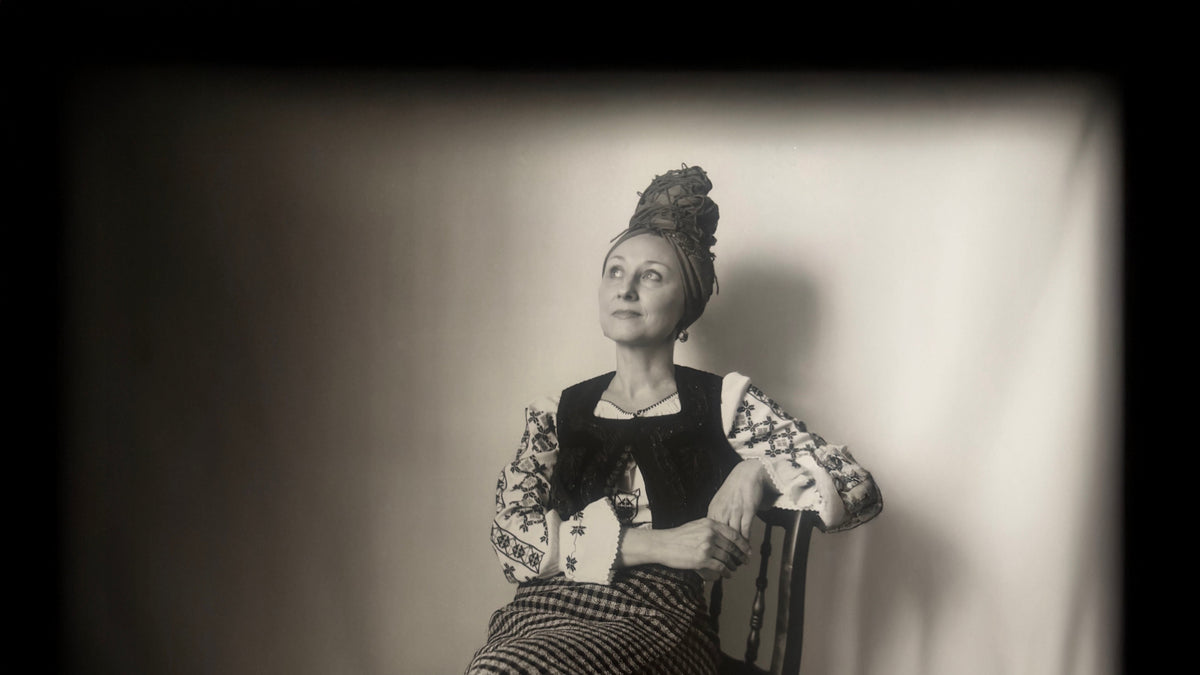
Alexandra Stanciu - known simply as Alice - is a creator, artist, and researcher based in Romania. She didn't set out to build a fashion brand in the conventional sense. What she built instead is closer to a living archive: a design house rooted in ethnographic study, mythology, and the kind of ancestral beauty that most of the world has never encountered.

Since founding Alice in 2011, she has spent over a decade doing the work that most designers skip — going deep into Romanian cultural heritage, studying traditional motifs, symbols, and stories, and then asking: what does this look like when it's elevated into something a modern woman would want to carry every day?
The answer, it turns out, is extraordinary.
Alice has been featured in Ziarul Financiar, profiled by The Curatorialist, appeared live on TVR Matinal (Romania's national morning television), and published in the prestigious print magazine Haute Culture. Her Calendar Collection was exhibited at the National Bank of Romania. Her Muses series was shown in a joint exhibition on femininity throughout the ages. She's a member of the Altiba9 artists directory and has been covered in their physical publication.
This is a designer with a track record, a philosophy, and a point of view — not a label, but a universe.
Heritage as a Design Language
Here's what separates Alice from every other "artisan" brand you've encountered: the research is real.
Most designers who lean into "heritage" aesthetics are working from a surface-level reference — a pattern seen on Pinterest, a mood board pulled from travel photos. Alexandra does something fundamentally different. Every Alice collection begins with in-depth ethnographic research: a study of Romanian mythology, ancestral symbolism, and the visual vocabulary that has been woven, embroidered, and carved into Romanian culture for centuries.

These aren't decorative flourishes. They're symbols with specific meanings — protective motifs, cosmic references, fertility symbols, markers of regional identity — that were once embedded in everyday objects precisely because people believed in the power of what they wore and carried. Alexandra's work honors that belief system. She takes those symbols seriously, treats them with scholarly care, and then translates them into pieces that feel entirely contemporary.
The result is a design language that doesn't exist anywhere else. You won't find Alice's aesthetic in a Parisian atelier or a Milan showroom. It comes from a specific place, a specific lineage — and that specificity is exactly what makes it rare.
What Alice Makes (And Why Each Category Matters)
Alice spans two interconnected worlds: wearable design and fine art. They're different expressions of the same philosophy, and together they form a complete creative universe.
The Silk Scarves
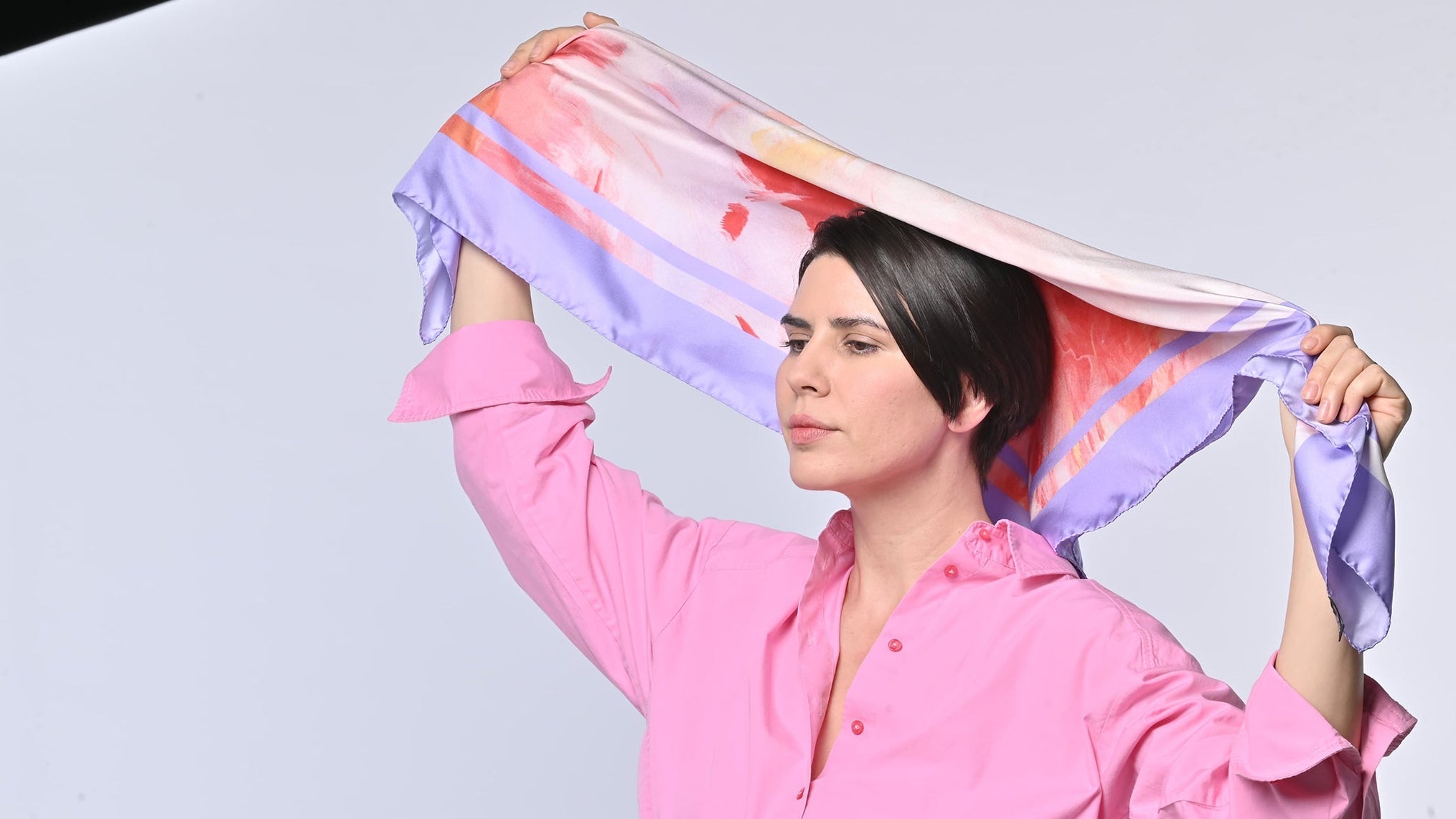
This is where many collectors first encounter Alice. Each scarf is hand-illustrated, drawing on the mythological and symbolic research that defines the brand. The silk itself is exceptional — fluid, luminous, the kind that photographs beautifully but feels even better in person.

Wearing an Alice scarf isn't like wearing a printed accessory. It's like wearing a painting that also happens to tell a story. The motifs aren't random; they're chosen for their symbolic resonance, their visual power, and their ability to travel across centuries and still feel alive.
In a world where silk scarves have become almost synonymous with logo branding, Alice is doing something genuinely different: putting meaning first.
The Handbags
Alice's handbags — including the signature Heirloom Bag — are structured, handcrafted, and built with a very specific intention: to be passed down.
The name isn't marketing copy. It's a design brief. These are bags conceived not for a season but for a lifetime — and ideally beyond. The construction is meticulous, the materials chosen for longevity, and the aesthetic rooted in the kind of timelessness that doesn't go in and out of style because it was never of a style to begin with.

This is the antidote to the It Bag cycle. This is what you buy when you're done chasing trends and ready to invest in something that means something.
The Philosophy That Ties It All Together
If you take nothing else from this introduction, take this: Alice is built around a single, radical idea — that objects should carry meaning.
This sounds simple. In practice, it's incredibly rare.
We live in a world of fast fashion and disposable luxury — pieces that cost a lot but say nothing, that are beautiful by formula and forgotten by the following season. Alice is a direct rebuke of all of that. Every piece that comes out of Alexandra's studio has been thought about, researched, designed with intention, and crafted by hand. Nothing is incidental. Nothing is filler.
The brand calls its customers "collectors and connoisseurs of beauty, culture, and meaning." That's not an aspirational marketing phrase — it's an accurate description of who understands what Alice is doing and why it matters. These are pieces for people who ask where did this come from? and actually want an answer.
Ce Fain! - the Right Home for Alice in the US
Ce Fain! was built on a specific belief: that Romanian design belongs on the world stage. That the craftsmanship, the culture, the aesthetic intelligence coming out of Romania deserves an audience far beyond Eastern Europe — and that American consumers, particularly those drawn to luxury with substance, are exactly that audience.
Alice is the fullest expression of that belief we've brought to the platform so far.
Alexandra's work is already known in Romania. It has been reviewed, exhibited, televised, and published. What it hasn't had, until now, is a direct channel to the US market — a place where wearable art with genuine cultural roots is not just appreciated but actively sought out by a growing community of conscious luxury shoppers.
That community exists here. And Alice was made for them.
How to Begin with Alice
If you're new to the brand, a few places to start:
Start with a silk scarf if you want to understand the visual language Alice speaks — the mythology, the motifs, the way a single 90x90cm square can hold an entire story.
Consider the Heirloom Bag if you're in the market for something that will outlast every trend cycle you'll ever live through. Buy it once. Carry it forever.
The Bottom Line
Fashion moves fast. Culture doesn't.
Alice is for the shopper who has stopped being interested in what's new and started being interested in what's real — what's rooted, crafted, and designed with enough care to still mean something decades from now.
We're proud to bring Alice's work to Ce Fain!, and we can't wait for you to discover it.
Explore Alice on Ce Fain!
Because the best things you'll ever own aren't the ones that impressed people at the time. They're the ones that still have a story to tell.